Do You Need Council Approval for a Shed?
A practical guide to shed approval questions, including size, height, setbacks, slab, use, overlays, and whether the shed is really a garage or studio.
This article is general planning guidance, not legal advice. Rules vary by property, council, state, overlays, and project details. Confirm the final pathway with council or a qualified professional before you build or lodge.
Short answer: sometimes. A small garden shed may be simple if it meets the relevant standards, but a larger shed, workshop, garage, studio, or structure on constrained land can need a different approval pathway.
This is general guidance only. Always confirm the final pathway for the address and design.
The shed details that matter
The approval answer usually depends on:
- Floor area
- Height
- Distance from boundaries
- Whether it has a concrete slab
- Whether it connects to plumbing or drainage
- Whether it is used only for storage
- Whether vehicles will park inside
- Whether people will work, sleep, or live inside
- Whether it affects neighbours, trees, easements, or stormwater
- Whether the property has heritage, bushfire, flood, or other constraints
Shed, garage, studio, or habitable room?
A customer may call everything a shed, but planning and building rules may treat different uses differently.
A storage shed is not the same as a garage. A workshop may raise different questions. A backyard studio or home office can be more complex again, especially if it is habitable or has plumbing.
Before quoting, clarify how the structure will actually be used.
Why boundary setbacks matter
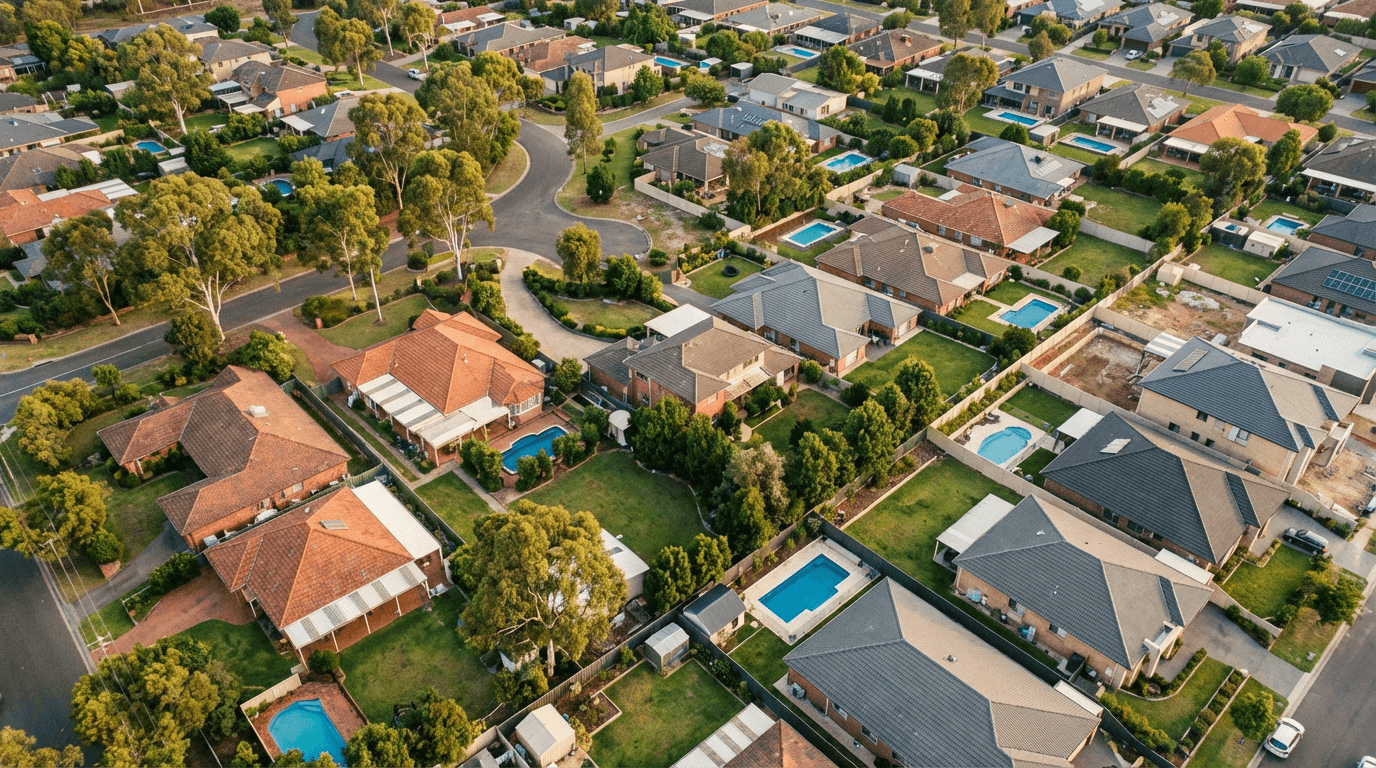
Sheds often sit near side or rear boundaries. That can affect setbacks, fire separation, drainage, overshadowing, maintenance access, and neighbour impacts.
The closer the structure is to a boundary, the more important it is to check the rules before ordering a kit or pouring a slab.
What to clarify before ordering a shed kit
Before ordering, collect:
- The exact property address
- Shed dimensions
- Wall height and overall height
- Location on the lot
- Boundary distances
- Slab and drainage details
- Intended use
- Any known overlays, easements, or tree constraints
If you are a shed supplier or installer, this is also a strong pre-sale checklist.
How ApprovalPath helps
ApprovalPath guides the customer through these details, checks known property constraints, and creates a report that explains the likely pathway and next steps. Depending on the state, that pathway might be framed as NSW exempt development or a CDC or Queensland accepted or assessable development.
For suppliers and installers, it can help filter serious shed enquiries from "just wondering" conversations.
Sources checked
Keep reading
Related approval guides
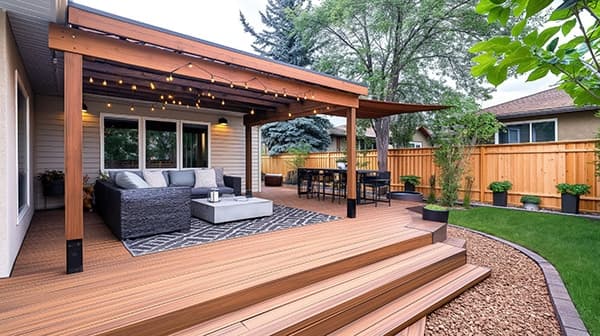
Do You Need Council Approval for a Deck in Australia?
A practical guide to the deck details that can change the council approval pathway, including height, area, setbacks, privacy, and overlays.
Do You Need Council Approval for a Pergola or Patio?
Pergolas, patios, and verandahs can trigger different approval pathways depending on roof type, size, height, attachment, and site constraints.
Do I Need Council Approval for My Project?
A plain-English guide to when a residential project may need council approval, a fast-track approval pathway, or no planning approval at all.